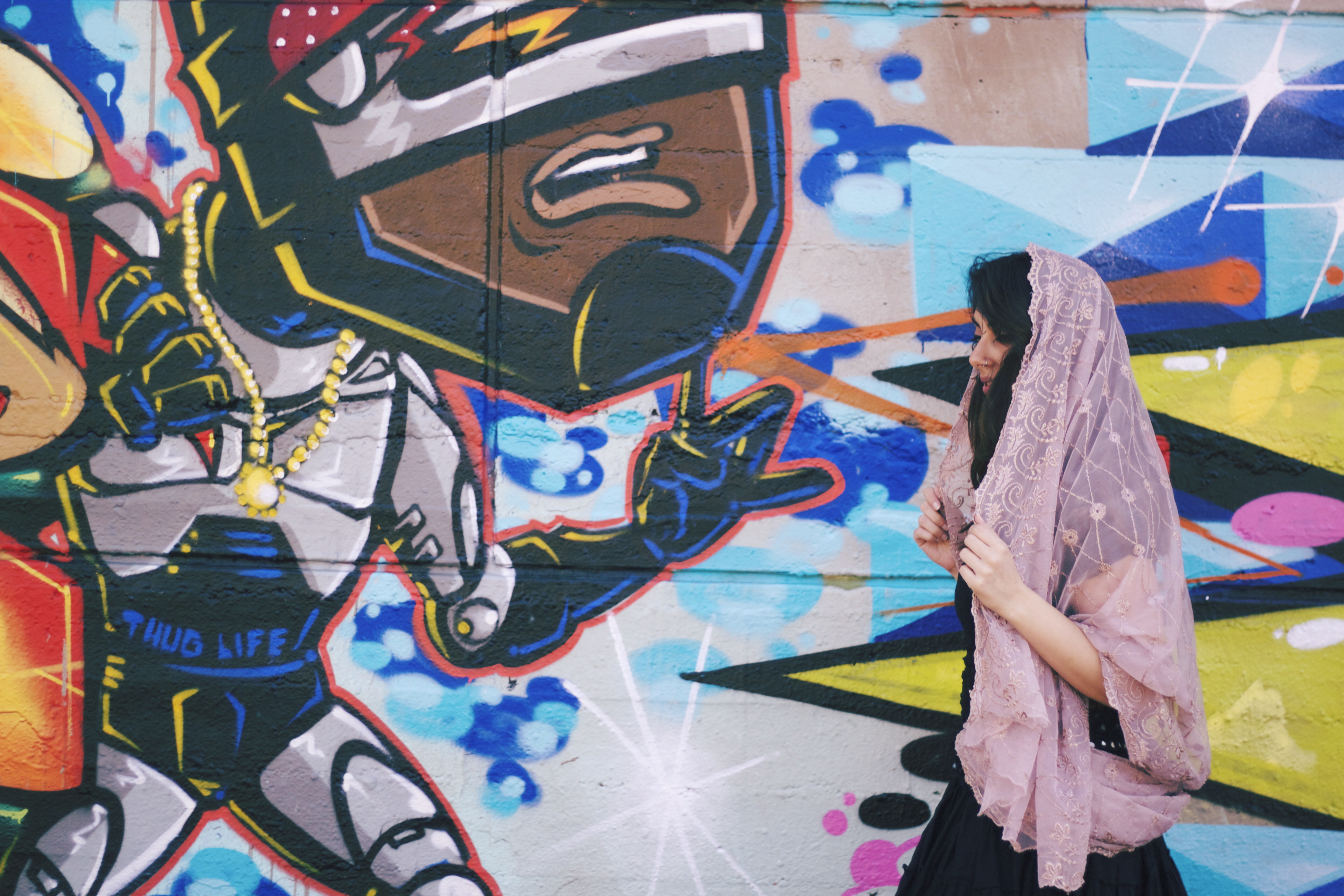
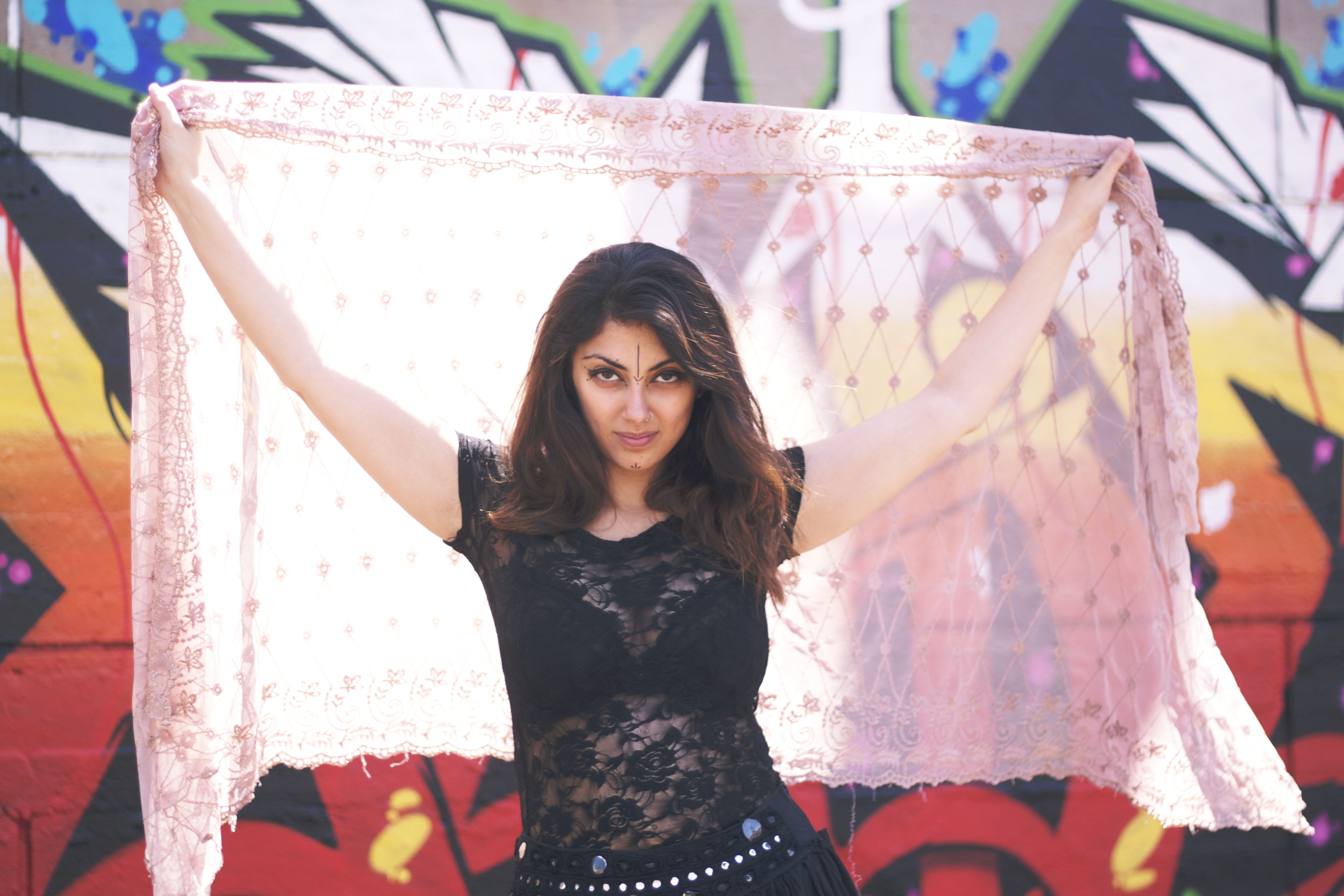
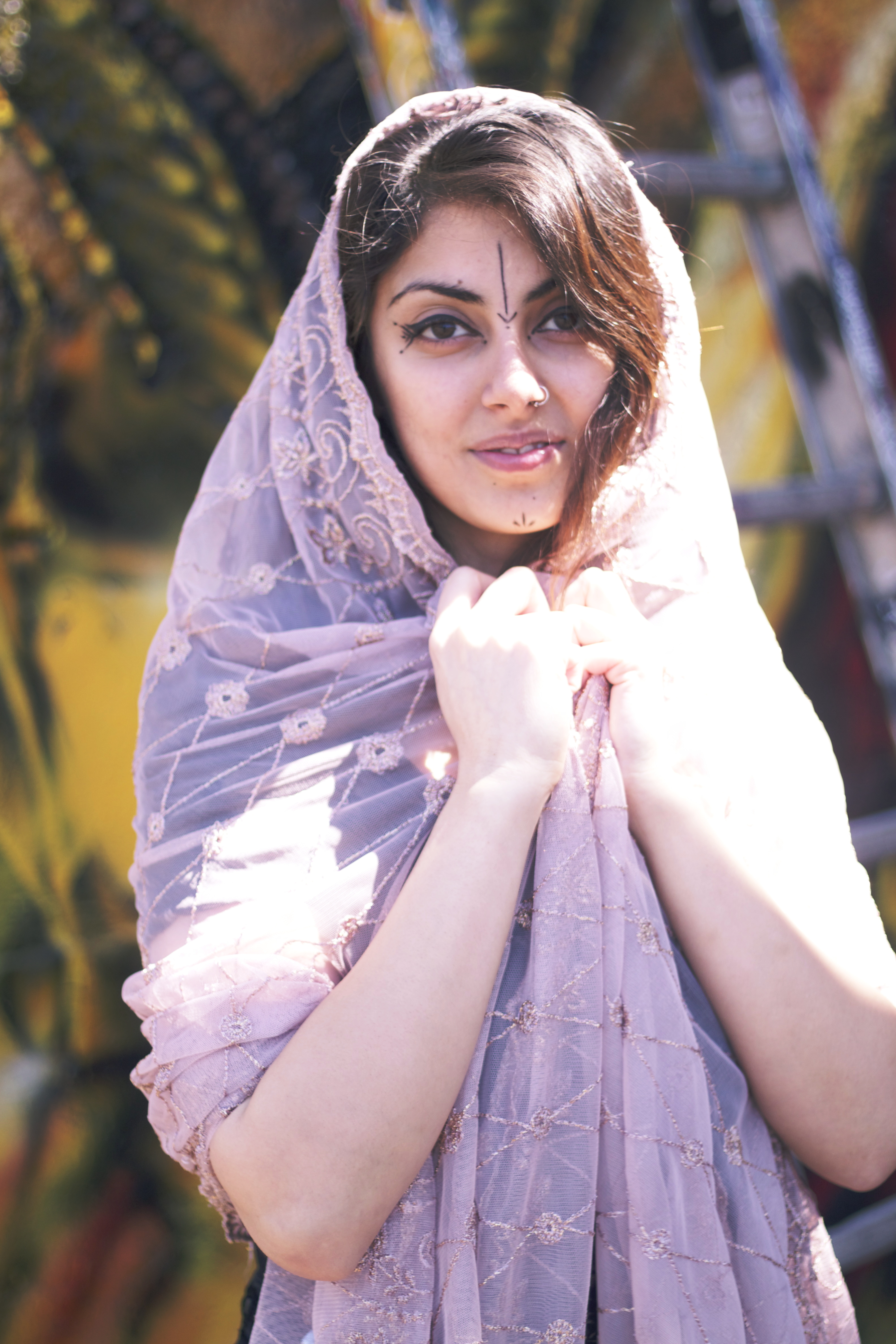
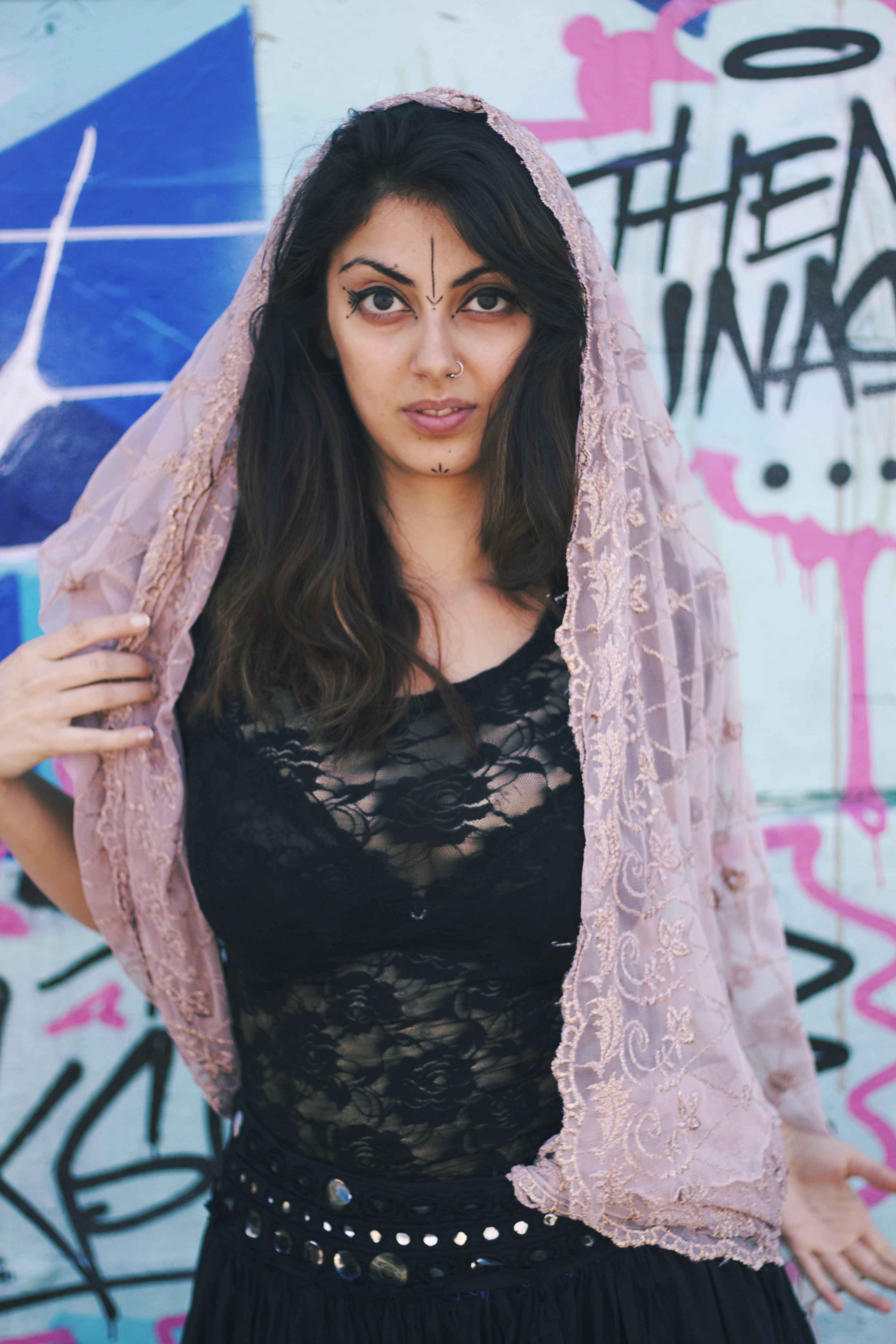
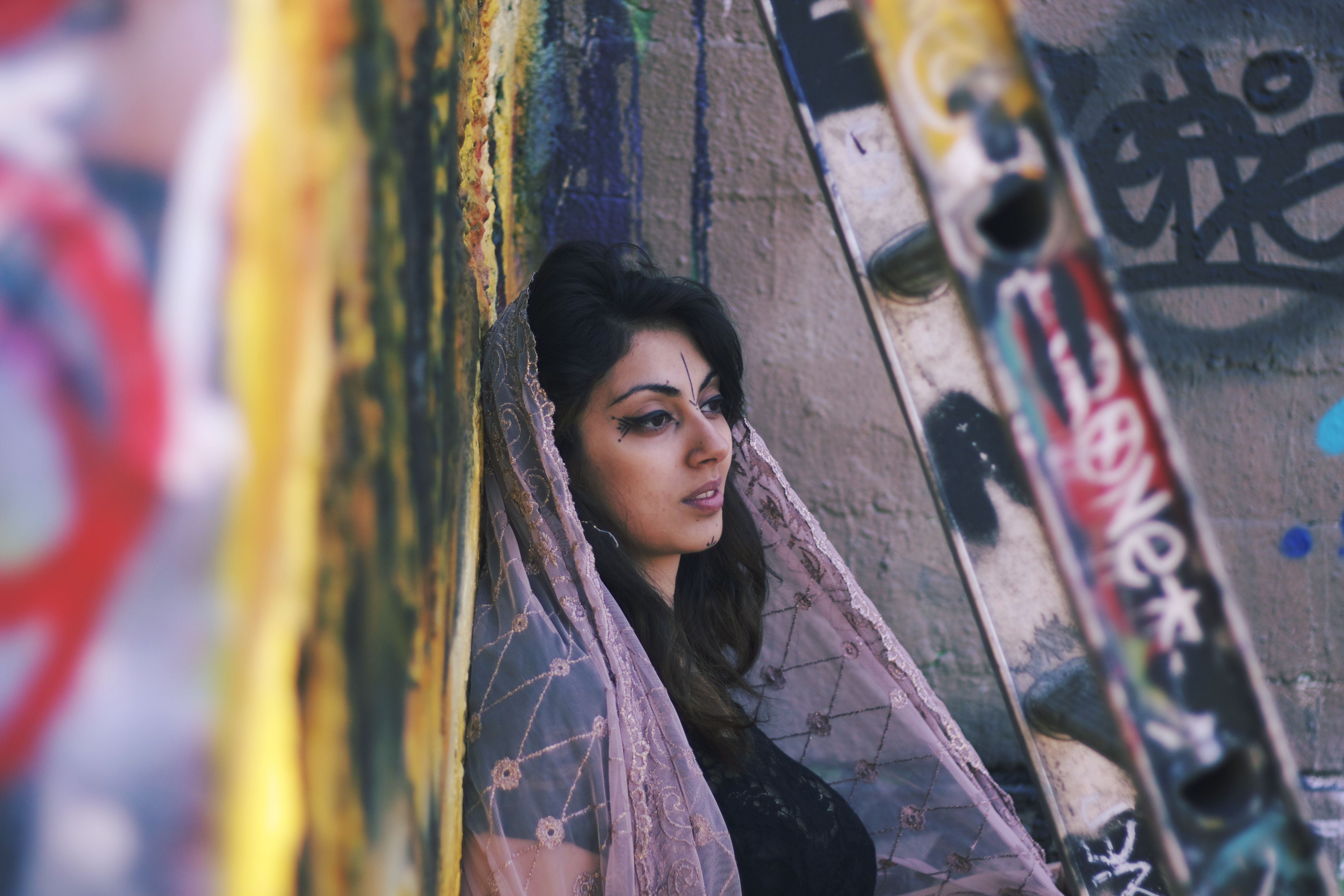
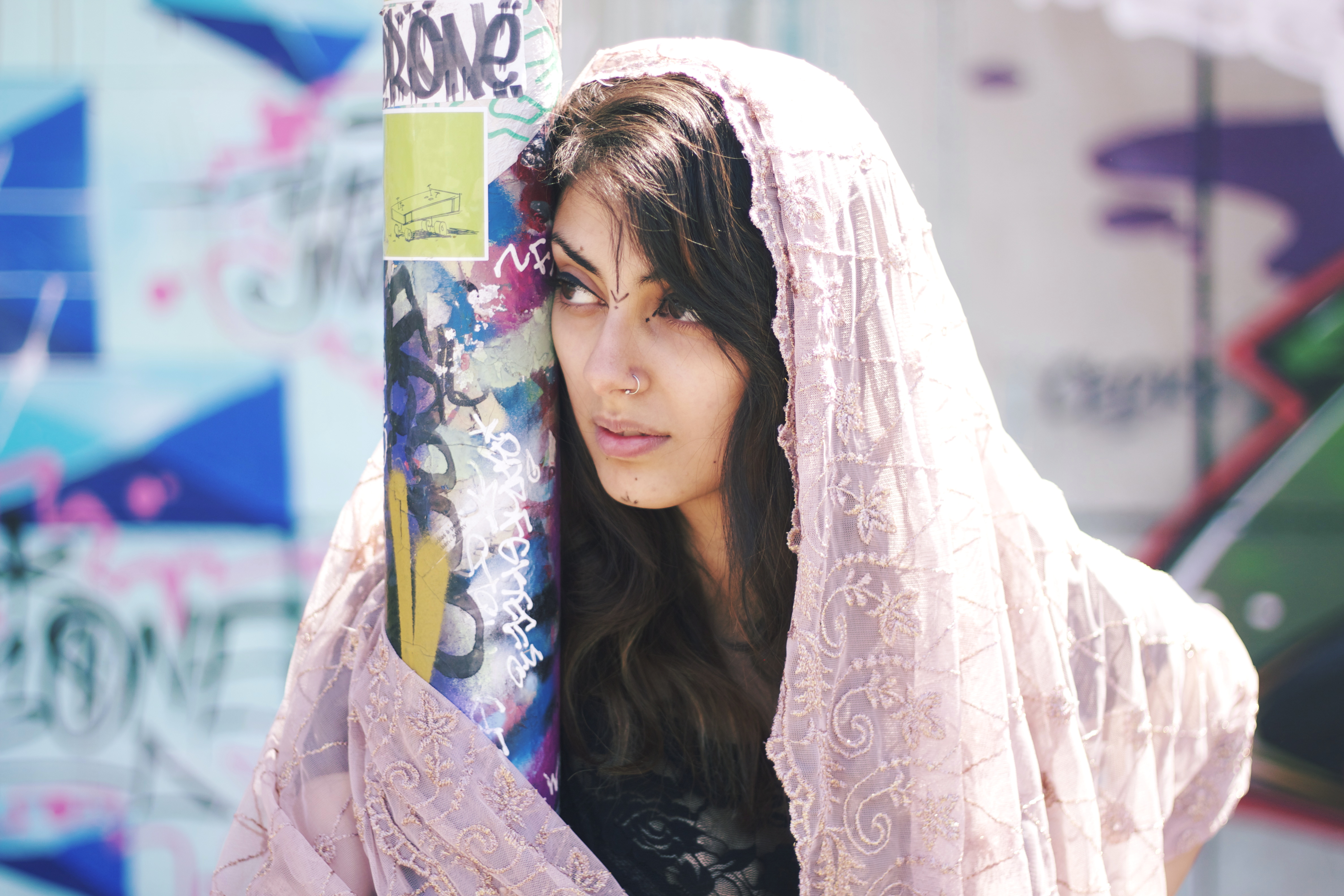
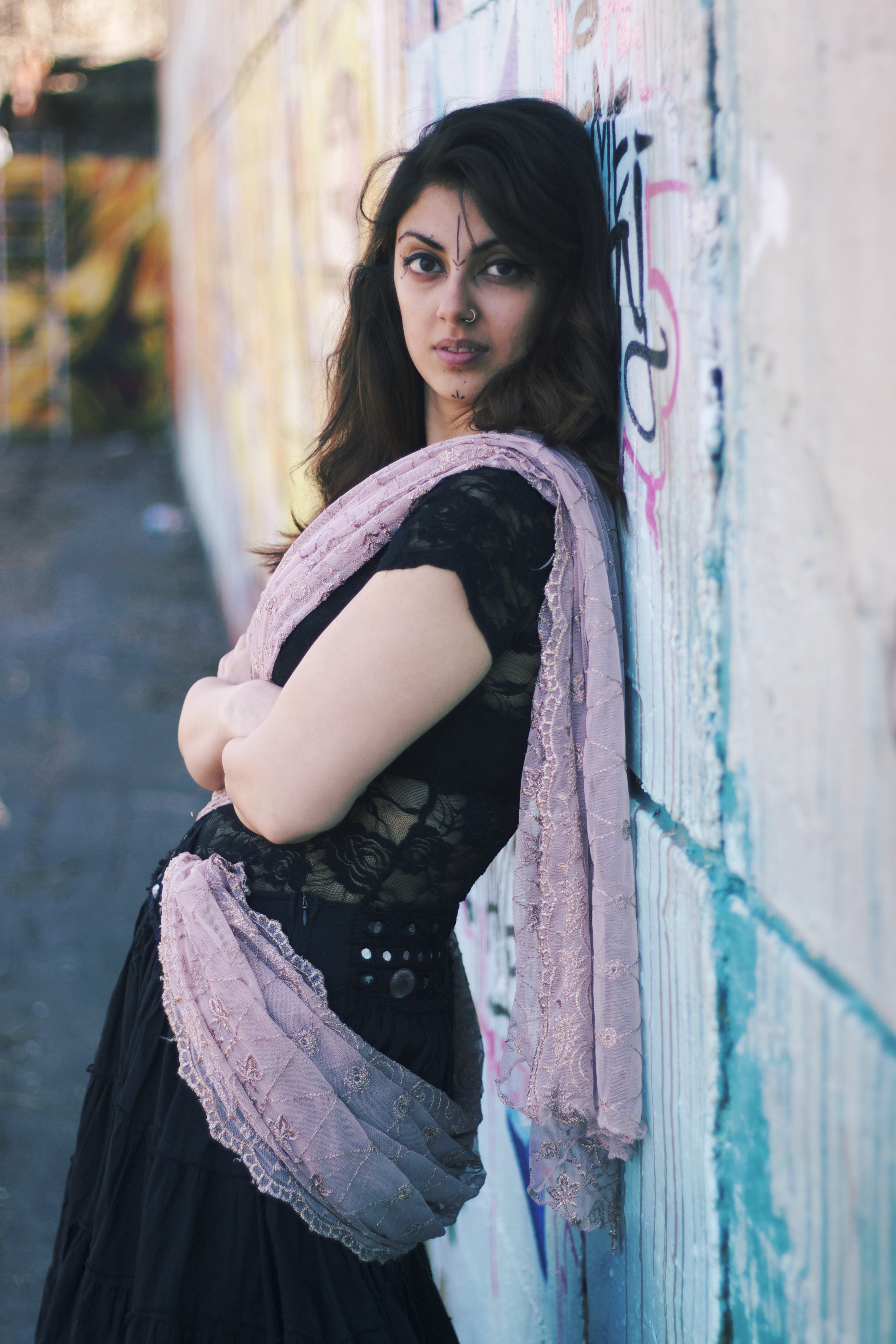
The make up Maria was wearing comes from the Kalinga empire of ancient India. It was located in eastern India, and was captured in 261 BCE by Ashoka, the first Buddhist king of India. Most of what we know of Kalinga comes from the Emperor Ashoka, or from the colonies that the Kalinga sent forth into South Asia, and the Kalinga colony in the Phillippes most notably present even today. Though it cannot all be verified, historians believe that the Kalinga trained both their sons and daughters in the art of war, which is part of the reason some speculate why Ashoka was not content in simply killing the king of Kalinga, but had to decimate so much of the population.
The tribal make up seen here would also be applied along with dark henna tattoos, on both male and female warriors. The mark on the chin comes from a Matrilineal community as well and is meant to create a masculine and intimidating jaw line of the female wearer.
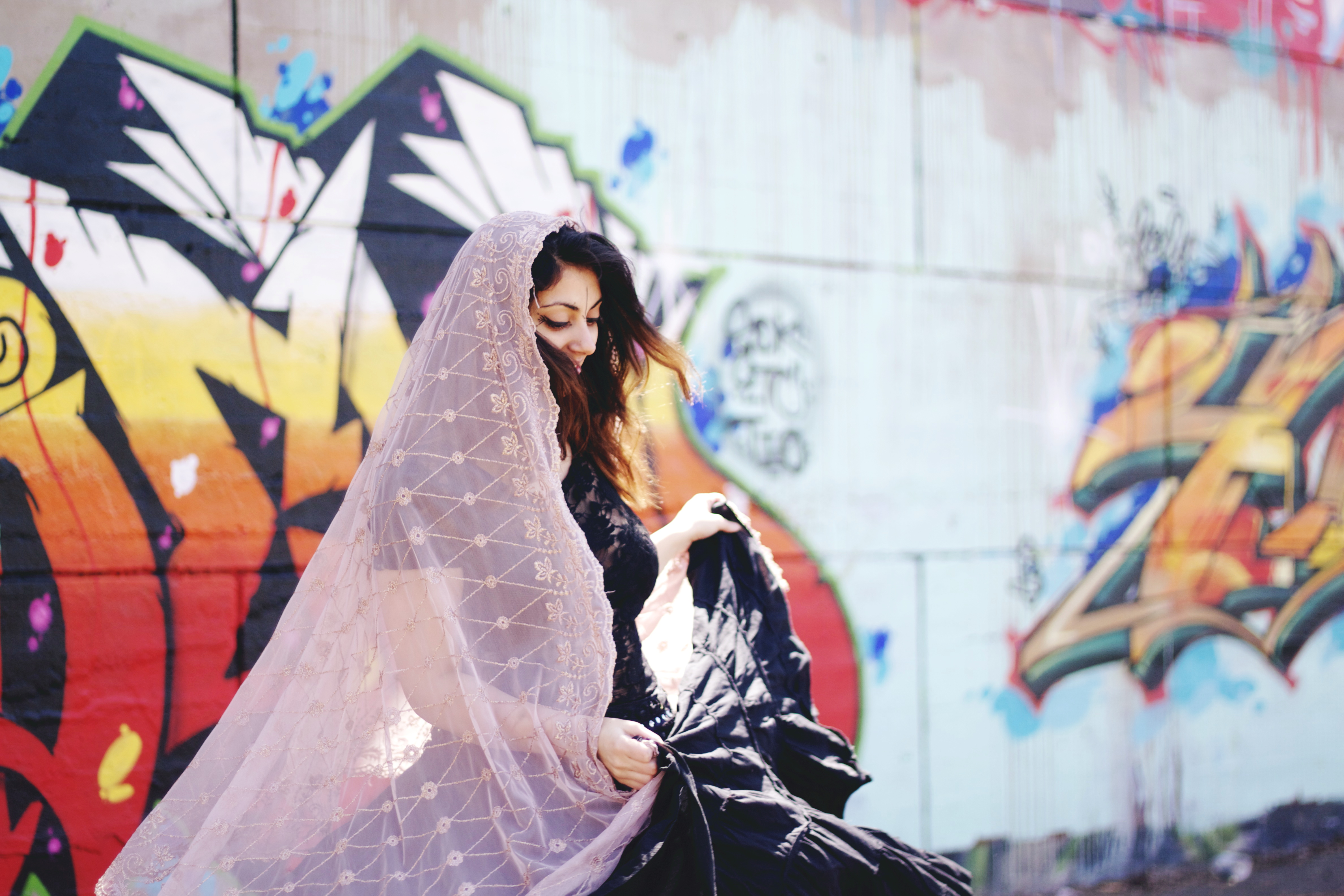
Even in rural India today, women who are lower caste have to work in the fields, and thus are seen to wear big skirts for more freedom of movement. The scarf of “chunni” is pretty distinctively Punjabi, another Indian culture where women wear pants and not saris for easier movement, and the chunni serves to make that feel more feminine.
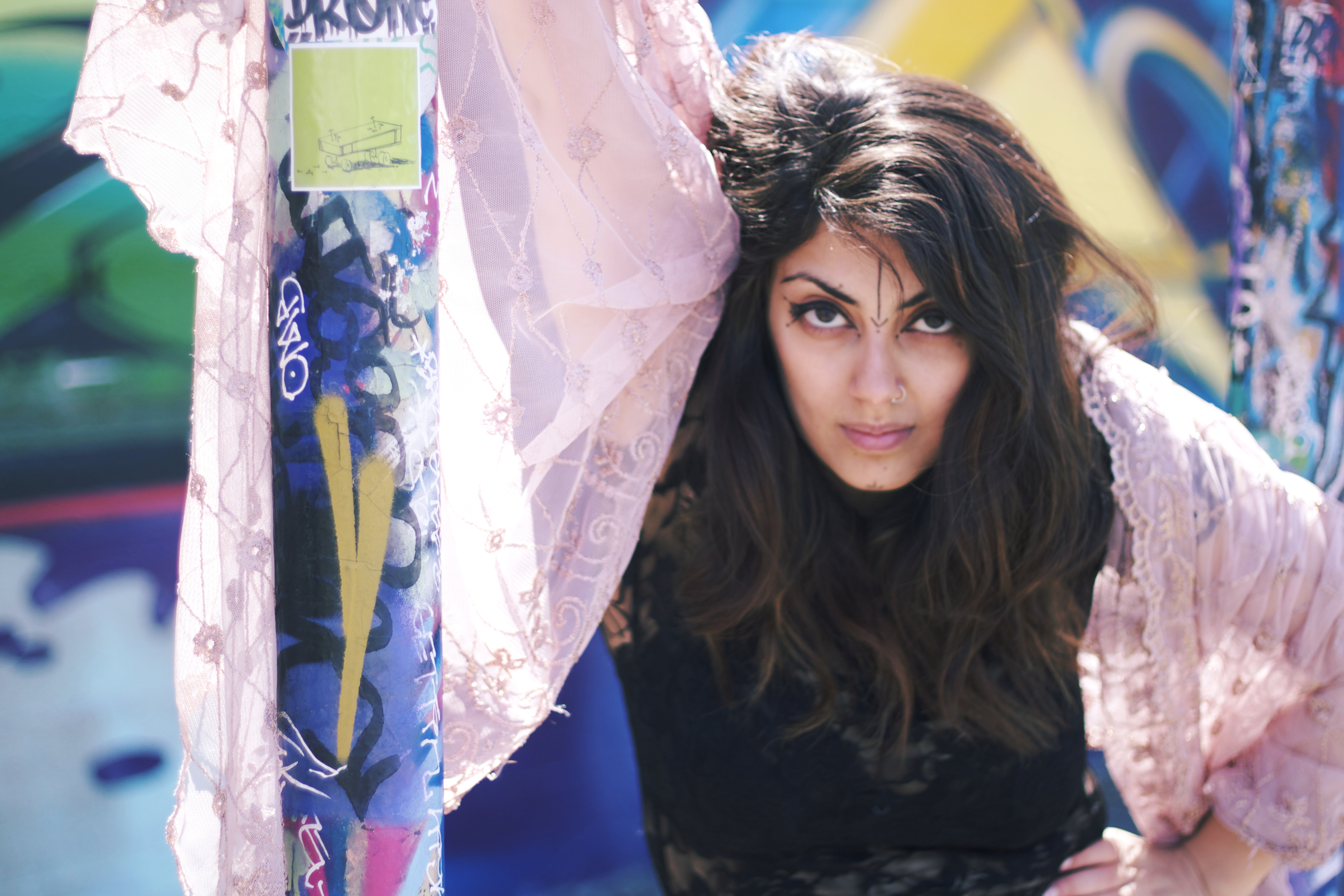
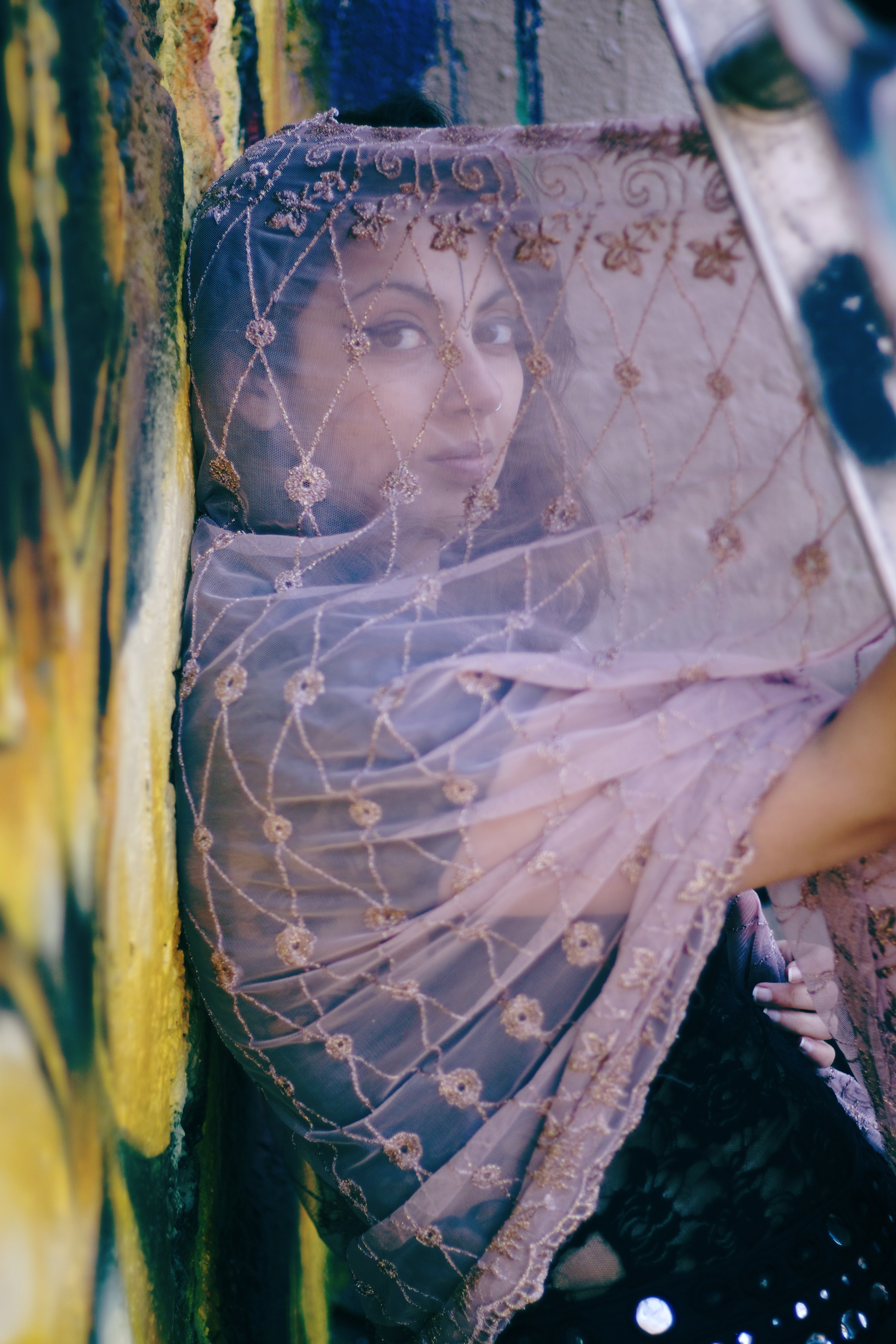
Thanks to Maria for providing me with this interesting history of her tribal makeup. This shoot was a great contrast between the old and the new, tradition and modernity. By embracing both a fantastic effect was created, with the softness of “chunni”, skirt, and lace top against the strength of the tribal makeup and the modern graffiti wall.

 n. vujosevic photography